








 Our Focus Areas
NOTTO Awareness Initiative works to close the gap between organ demand and supply through public education, policy advocacy, and support for donor families.


 About Organ Donation in India
Organ transplantation in India traces back to Sushruta's pioneering reconstructive techniques around 600 BCE. India performed its first kidney transplant on 1 December 1971 at Christian Medical College, Vellore — decades after the world's first in 1954 Boston. Today, the National Organ and Tissue Transplant Organisation (NOTTO) leads efforts to close persistent gaps in organ supply and equity.


 Because Organ Donation Matters
Because Organ Donation Matters
Because Organ Donation Matters
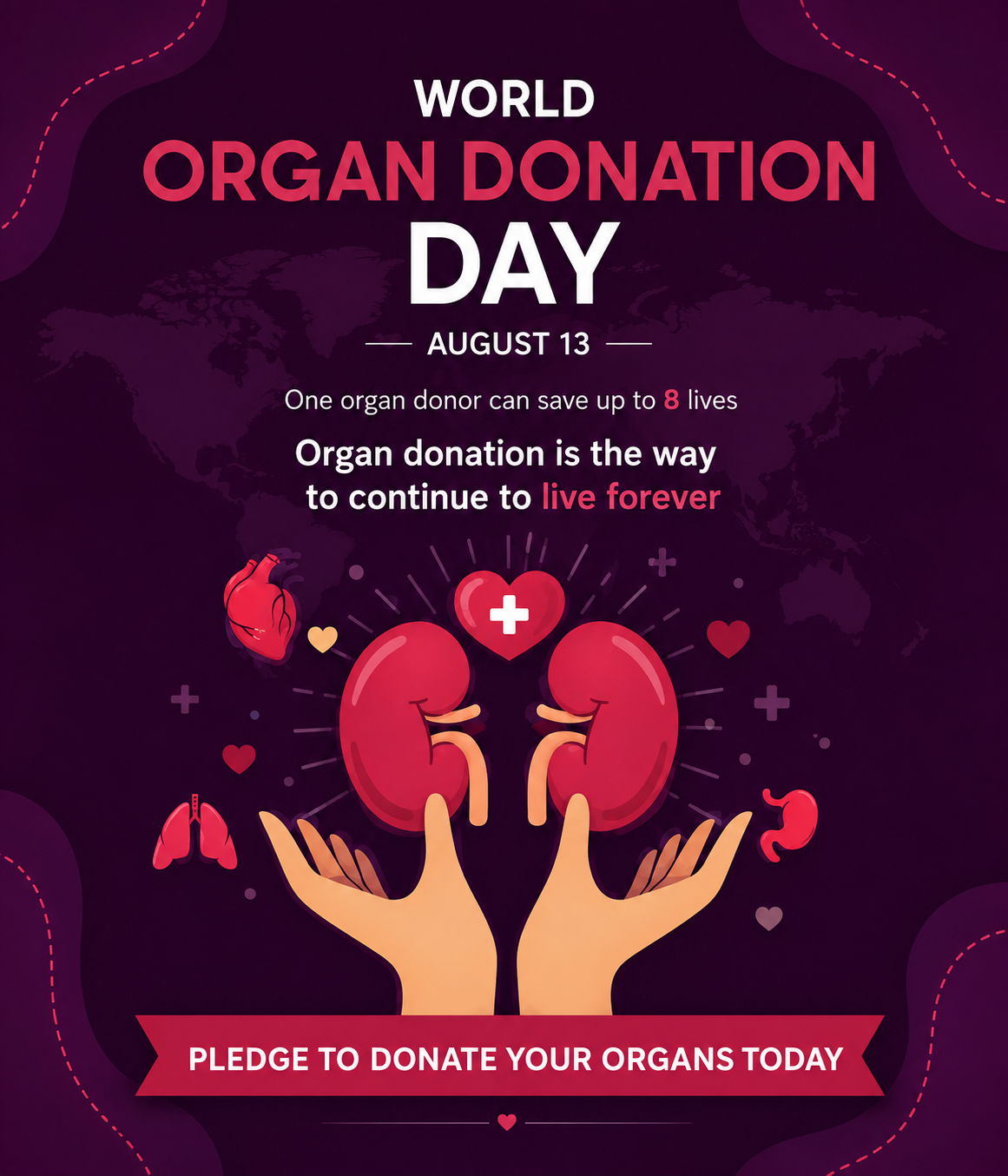
Every day, thousands of patients across India wait for a second chance at life. Orgdaan — an initiative by Gennova — brings families, hospitals, and communities together to raise awareness, honor donors, and make organ donation a shared responsibility, not a rare exception.



 How It Work


Trained transplant coordinators provide grief counselling and obtain consent using NOTTO-approved forms.

A qualified medical board certifies brain-stem death per THOTA guidelines before retrieval.

Organs are allocated by medical urgency, blood group compatibility, and wait-list status.

The transplant is performed and every case is documented, reviewed, and honored.